Humility Is Your Superpower: How Self-Awareness Beats Ego Every Single Time
Humility isn't weakness, it's emotional strength. Learn why self-awareness beats ego in leadership, relationships, and personal growth.
Stop Treating Humility Like Weakness: Why the Strongest People Practice Self-Awareness Without Ego
If you look up the definition of humble, you’re going to see words that make the whole concept sound kind of sad and pathetic.
- “Low estimate of one’s own importance.”
- “Of low social rank.”
- “Unimportant. Inferior. Submissive.”
When you know the definition, it becomes pretty clear why people run from the word like it’s radioactive.
But humility isn’t the enemy people make it out to be. In fact, most people completely misunderstand what humility actually is, and what it allows you to become.
Humility Isn’t About Being “Less Than”, It’s About Seeing Yourself Clearly
Somewhere along the line, people started treating humility like a sign of weakness, as if acknowledging your flaws makes you fragile, or being grounded makes you powerless.
That’s bullshit.
Humility is one of the strongest, most stabilizing human traits we have, because humility isn’t about lowering yourself, it’s about knowing yourself.
→ It’s knowing you’re human.
→ It’s knowing you’re capable of both brilliance and screw-ups.
→ It’s knowing the spotlight doesn’t always have to be on you.
→ It’s knowing that being wrong sometimes doesn’t make you worthless.
→ It’s knowing that someone else shining doesn’t dim you.
Humility is self-awareness plus self-respect, without the ego getting drunk and grabbing the wheel.
→ Arrogance says, “I’m better than everyone.”
→ Insecurity says, “I’m worse than everyone.”
→ Humility says, “I’m human, just like everyone.”
Do you see the difference?
Why Humility Feels So Rare
Humility requires more emotional strength than ego ever will. You need courage to admit your mistakes. You need discipline to keep your ego in check. You need self-awareness to see where you fall short.
And you need confidence to acknowledge those things without collapsing under them. Most people don’t have the stomach for that level of honesty.
It’s easier to pretend you’re flawless, than to face where you’re not. It’s easier to reject accountability, than hold yourself to it. It’s easier to point at someone else, than to turn the mirror toward yourself.
The People Who Fear Humility the Most Are Usually the Ones Who Need It the Most
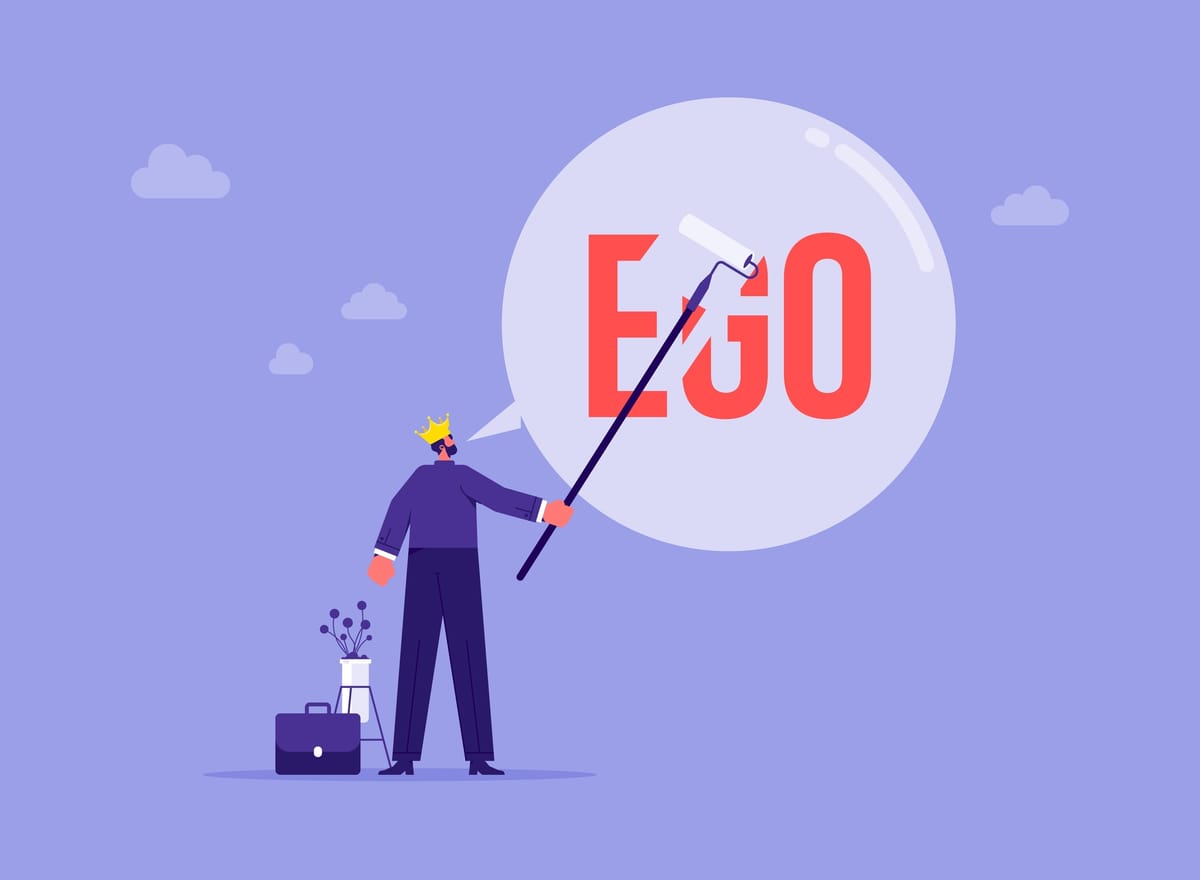
Look around and you’ll see it: The bravado, the posturing, and the chest-puffing. People terrified of being seen as “less-than” wrap themselves in ego like a bulletproof vest. But ego isn’t armor, it’s a straitjacket.
You can’t grow when you’re busy pretending you’re already perfect. You can’t improve if you refuse to acknowledge the gap between where you are and where you want to be. You can’t connect with people if you’re constantly defending your own “importance.”
Humility frees you from all that.
→ It gives you permission to be real.
→ It gives you space to grow without shame.
→ It gives you the ability to learn without ego getting in the way.
→ It gives you the capacity to appreciate people without seeing them as competition.
And here’s the real ass-kicker: Humble people end up being more trustworthy, more grounded, more capable, and more respected than the ones performing toughness.
Humility Strengthens All Your Relationships
Let’s be honest, nobody likes dealing with an ego parade.
→ If you work with someone who can’t admit fault, everything takes longer.
→ If you’re in a relationship with someone who can’t apologize, conflict gets uglier.
→ If you’re friends with someone who always has to one-up you, the connection eventually collapses under the weight of it.
Humility does the opposite. It creates:
- Openness: Because you don’t need to be right every time.
- Trust: Because people know you’re genuine, not performing.
- Safety: Because others don’t have to tiptoe around your ego.
- Collaboration: Because you’re willing to learn and share credit.
- Respect: Because you treat people like humans, not props.
Humility improves every relationship you have, starting with the one you have with yourself.
Humility Helps You Become a Better Leader
A lot of people think leadership is about authority, but real leadership is about accountability. Humility lets you:
- Ask questions instead of pretending you know everything
- Admit when you’re wrong instead of doubling down
- Give credit instead of hoarding it
- Take responsibility instead of dodging blame
- Build people up instead of standing on their shoulders
Show me a humble leader and I’ll show you someone people want to follow, not someone they feel forced to follow.
Humility doesn’t diminish leadership, it amplifies it.